How to Move On from a Relationship and Start Focusing on Yourself
Moving On from a Relationship and Starting to Focus on Yourself
Ending a relationship, whether it was a long-term commitment or a brief fling, can be a deeply painful experience. It's natural to feel a range of emotions, including sadness, anger, confusion, and even relief. While the initial stages of heartbreak can be overwhelming, it's crucial to remember that healing and personal growth are possible. This article will provide a comprehensive guide on how to move on from a relationship and start focusing on yourself, fostering self-discovery and a renewed sense of purpose.
Allow Yourself to Grieve
Denying or suppressing your emotions will only prolong the healing process. Instead, embrace the pain and allow yourself to grieve the loss of the relationship. This might involve crying, journaling, talking to a trusted friend or therapist, or engaging in other healthy coping mechanisms.
Acknowledge and Validate Your Feelings
It's important to acknowledge and validate your feelings without judgment. You might feel a mix of anger, sadness, loneliness, and even guilt. Resist the urge to minimize or dismiss your emotions. Recognize that these are natural responses to a significant loss.
Give Yourself Time and Space
Healing takes time, and it's crucial to be patient with yourself. There's no set timeline for moving on, and every individual experiences grief differently. Allow yourself the time and space you need to process your emotions without pressure or judgment.
Seek Support from Loved Ones
Reach out to trusted friends, family members, or support groups. Sharing your feelings with people who care about you can provide emotional support, validation, and a sense of community.
Focus on Self-Care
Taking care of your physical and mental well-being is paramount during this time. Prioritize self-care practices that nurture your body and mind, helping you regain a sense of balance and resilience.
Prioritize Your Physical Health
Engage in regular exercise, eat a healthy diet, and get enough sleep. These practices help to regulate your mood, boost energy levels, and promote overall well-being.
Cultivate Mindfulness and Relaxation
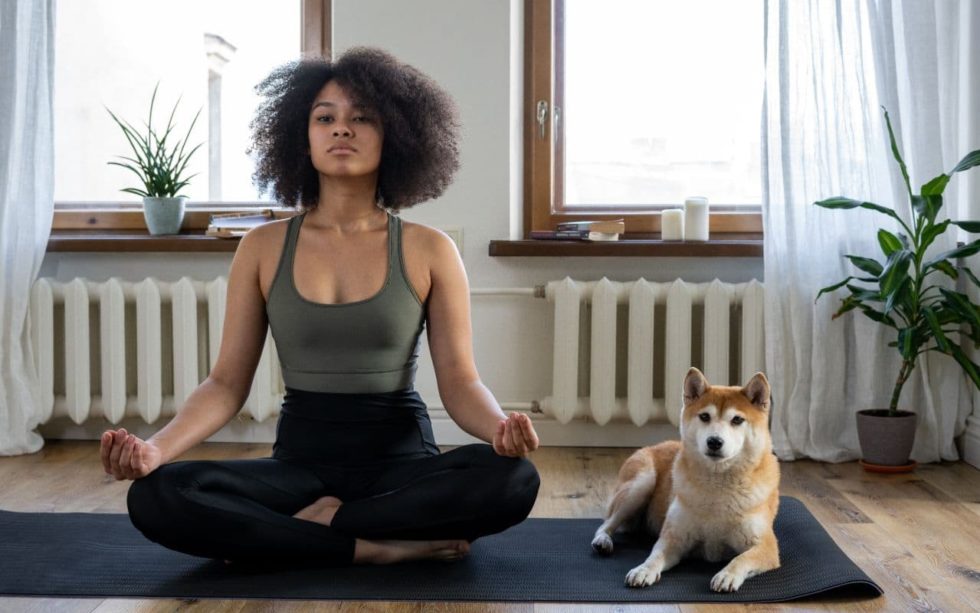
Practice mindfulness techniques such as meditation, yoga, or deep breathing exercises to calm your mind, reduce stress, and promote emotional regulation.
Engage in Activities You Enjoy
Rediscover hobbies and activities that bring you joy and fulfillment. This could include reading, painting, spending time in nature, or pursuing a creative passion.
Reflect on the Relationship and Identify Growth Areas
Once you've allowed yourself to grieve, it's time to reflect on the relationship and identify areas for personal growth. This introspection can be a powerful tool for moving forward.
Analyze the Relationship Dynamics
Examine the patterns, dynamics, and communication styles present in the relationship. Identify any areas where you contributed to the challenges or where you could have acted differently.
Identify Personal Values and Needs
Reflect on your core values, beliefs, and needs. This introspection can help you clarify what you want in a future relationship and how to prioritize your own well-being.
Embrace Lessons Learned
Every relationship, regardless of its outcome, offers valuable life lessons. Embrace the insights gained and use them to inform your future relationships and personal growth.
Start Focusing on Yourself
As you begin to heal, it's essential to prioritize your own needs and desires. Invest in your personal growth, pursue your passions, and rediscover your identity outside of the relationship.
Rekindle Old Passions and Pursue New Interests
Take this time to rekindle old passions or explore new interests that you may have neglected due to the relationship. This can revitalize your sense of purpose and reawaken your creativity.
Set Goals and Work Towards Them
Define personal goals that align with your values and aspirations. Setting achievable goals and working towards them can provide direction, motivation, and a sense of accomplishment.
Spend Time with Positive and Supportive People
Surround yourself with people who uplift and encourage you. Spend time with friends and family members who bring you joy and offer a positive perspective.
Embrace the Future with Hope and Openness
Moving on from a relationship is a journey, and there will be ups and downs along the way. It's natural to have moments of doubt and sadness, but remember that you are capable of finding happiness and fulfillment. Embrace the future with hope and openness, knowing that you are strong, resilient, and worthy of love.
Avoid Contact and Rebound Relationships
Resist the urge to contact your ex or jump into a new relationship too quickly. This can hinder your healing process and lead to unhealthy patterns.
Focus on the Present Moment
Practice living in the present moment and appreciate the beauty and joy that surrounds you. Let go of dwelling on the past or worrying about the future. Focus on creating a fulfilling life for yourself.
Trust in Yourself
Ultimately, the journey of moving on is about trusting in yourself and your ability to heal and grow. Be patient with yourself, celebrate your progress, and remember that you are worthy of happiness and love.
0 Response to "How to Move On from a Relationship and Start Focusing on Yourself"
Post a Comment
Note: Only a member of this blog may post a comment.