How to Foster an Attitude of Forgiveness
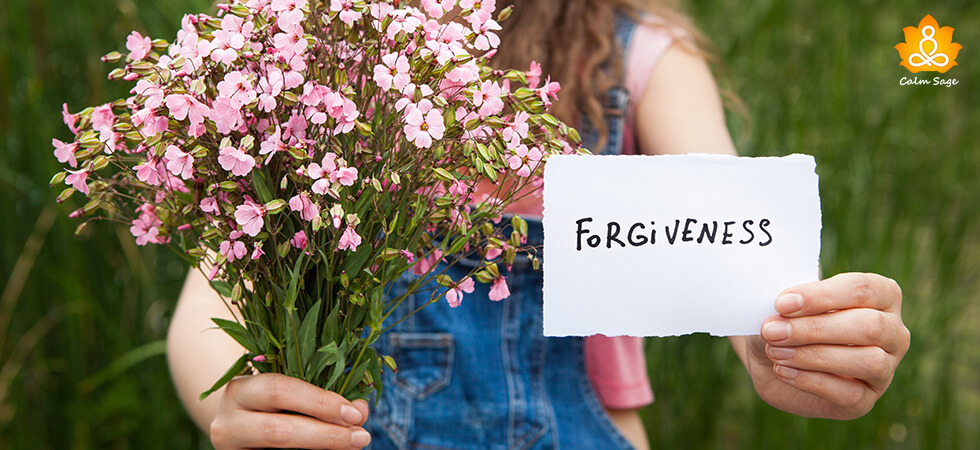
Cultivating the Powerful Practice of Forgiveness
Forgiveness. The very word evokes a complex tapestry of emotions: relief, peace, even a touch of anger or resentment lingering in the shadows. It's not a simple act of forgetting, but a conscious choice to release the grip of hurt and resentment, ultimately freeing ourselves from the burden of past transgressions. This isn't about condoning harmful actions; it's about reclaiming your own emotional well-being. This article will guide you through practical steps to foster an attitude of forgiveness, leading you towards a more peaceful and fulfilling life.
Understanding the Power of Forgiveness
Many believe forgiveness is solely for the benefit of the person who wronged them. While it certainly can improve relationships, the primary beneficiary is often the forgiver. Holding onto anger and resentment is like carrying a heavy weightâ€"it drains your energy, impacts your physical health, and can poison your relationships. Forgiveness isn't about letting the offender off the hook; it's about releasing yourself from the prison of negative emotions. It’s about choosing to heal and move forward, allowing yourself to experience joy and peace once again. Imagine the weight lifting from your shoulders, the space opening up in your heart, and the energy you gain from focusing on your own well-being and future.
Practical Steps to Cultivate Forgiveness
Acknowledge Your Feelings
Begin by honestly acknowledging the hurt and anger you feel. Don't try to suppress or ignore these emotions. Allow yourself to feel them fully. Journaling can be a powerful tool here. Write down your thoughts and feelings without judgment. This process of acknowledging your emotions is crucial; it’s the first step towards processing them and moving past them.
Empathize with the Offender (If Possible)
This doesn't mean excusing their behavior. Instead, try to understand their perspective, their motivations, and the circumstances that may have contributed to their actions. Consider their background, their upbringing, and the pressures they might have faced. This isn't about justifying their actions, but about understanding themâ€"a critical step in breaking free from the cycle of anger and resentment. Even if you never fully understand, simply attempting to step into their shoes can offer a surprising sense of perspective.
Practice Self-Compassion
Remember that you are human, and it's okay to feel hurt and angry. Be kind to yourself throughout this process. Treat yourself with the same compassion and understanding you would offer a close friend in a similar situation. Remind yourself that forgiveness is a journey, not a destination, and setbacks are normal. Celebrate your progress, no matter how small.
Develop a Forgiveness Ritual
Consider creating a personal ritual to mark your commitment to forgiveness. This could involve writing a letter to the person (that you don't necessarily send), performing a symbolic act like releasing a balloon, or engaging in meditation or prayer. The ritual should feel meaningful and personal to you, allowing you to solidify your commitment to letting go of the past.
Maintaining a Forgiving Attitude
Forgiveness is an ongoing process, not a one-time event. It requires conscious effort and consistent practice. Remember to regularly reflect on your progress and adjust your approach as needed. Surround yourself with supportive people who encourage your healing journey. Consider seeking professional help if you struggle to process your emotions or find yourself repeatedly revisiting past hurts. By actively cultivating a forgiving attitude, you unlock the door to inner peace and a more fulfilling life, free from the burdens of the past.
Remember, forgiving yourself is just as important as forgiving others. Self-forgiveness allows you to release self-criticism and self-doubt, paving the way for greater self-acceptance and personal growth. Embrace this powerful practice and begin your journey towards a more compassionate and fulfilling life.
0 Response to "How to Foster an Attitude of Forgiveness"
Post a Comment
Note: Only a member of this blog may post a comment.